
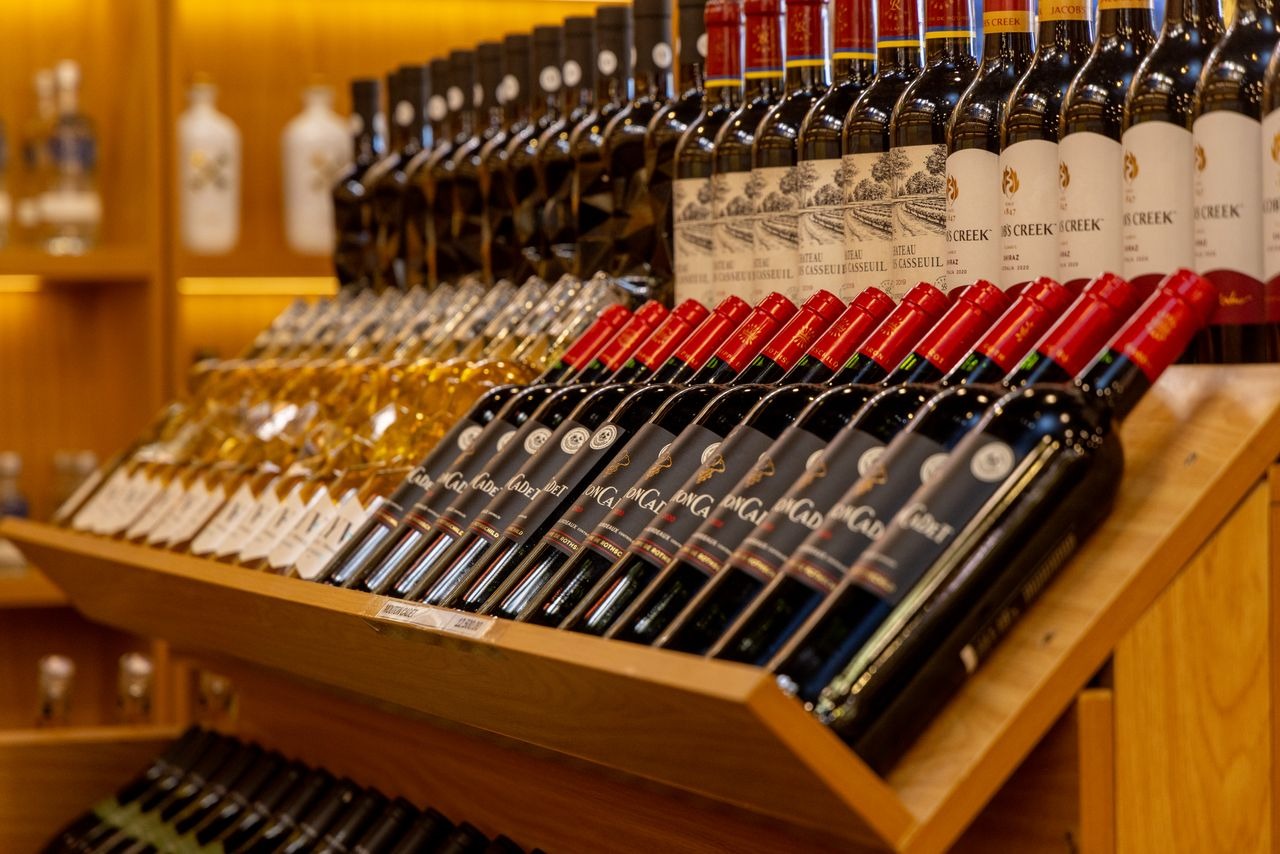
Running out of a popular wine in December is more than an annoying inventory problem. If a customer comes in for a bottle they already know, finds an empty shelf and buys it somewhere else, you may not only lose that sale, but potentially their future business, too. Peak season gives wine retailers less room for inventory mistakes because demand arrives in a short, predictable window.
The good news is, you have more information than you might think to avoid this problem. Your sales history, supplier lead times, product margins, and even the timing of last year’s holiday rush can tell you where stockouts are most likely to happen.
Find Your Real Best-Sellers
Start with sales data, not instinct. A wine that attracts plenty of attention on social media or gets frequent recommendations from staff is not necessarily the bottle that moves fastest at the register.
So, look at unit sales by SKU for the same period last year, then compare them with the most recent 8–12 weeks. Pay attention to:
- Sell-through rate
- Reorder frequency
- Average weekly sales
- Gross margin
Be sure to separate ordinary best-sellers from seasonal ones. An obvious example is sparkling wine; it may look unremarkable in March but naturally become one of your fastest-moving products in December.
Unsurprisingly, NIQ’s beverage research consistently shows that holiday periods create distinct purchasing occasions, while recent data also points to pressure on overall wine sales. That makes your own store-level data particularly valuable.
Use Last Year’s Holiday Sales Properly
Don’t simply copy last December’s order quantities. Analyze what actually occurred by reviewing a few important questions:
- Which SKUs sold out?
- Which ones needed emergency replenishment?
- Which products sat untouched until January?
Also check the dates of your biggest sales spikes. Thanksgiving week, Christmas, and New Year’s Eve do not produce identical demand, and sparkling wine, gift-friendly bottles, and party formats may peak at different points.
A simple spreadsheet can give you a useful forecast: take last year’s weekly sales for each major SKU, adjust for this year’s sales trend, then account for planned promotions, local events, supplier changes, and expected price increases. If a wine sold 40 cases during last year’s holiday surge and current sales are running 15% higher, your baseline
Build a Proper Buffer
Safety stock protects you when demand beats the forecast, or a supplier arrives late. However, it should not become an excuse to fill every available corner with bottles “just in case.”
It’s best to calculate your buffer around demand variability and supplier lead time. If a best-selling Cabernet moves 10 cases per week and your supplier normally takes two weeks to deliver, carrying only 20 cases leaves very little protection against a sudden spike.
You can also tier your safety stock. Keep a larger cushion for your top 10–20 SKUs and a smaller one for slower products. This concentrates your cash where a stockout would hurt most.
Secure Purchasing Power Before Demand Spikes
Sometimes the problem isn’t forecasting. You know exactly which bottles you need, but buying several extra cases at once would put too much pressure on your cash flow.
This is where inventory financing provides a very practical lever. By leveraging existing stock as collateral for a revolving line of credit, qualifying retailers can gain additional purchasing capacity without draining operating cash.
For a store preparing for a predictable holiday surge, restocking capital before peak season can help place larger supplier orders earlier, rather than waiting until shelves start looking thin. Crestmont Capital, for example, specifically positions its inventory financing for small and medium-sized retailers dealing with seasonal cash-flow fluctuations and the need to keep shelves stocked.
The numbers still need to work. Financing makes little sense for a wine that sells slowly or carries a weak margin. It can make considerably more sense when reliable demand, supplier lead times, and a clear sales cycle support the additional inventory.
Set Stockout Triggers Before You Need Them
Peak-season inventory gets much easier to manage when you decide in advance what should trigger an order. For your highest-priority wines, establish a reorder point based on expected sales during supplier lead time plus your safety stock. Then set alerts in your POS or inventory system before you reach that level.
Review those numbers at least weekly as the season approaches, and more often during the busiest weeks. A forecast made in September should not control your purchasing decisions in mid-December when actual sales data is sitting right in front of you.
The goal isn’t to predict every bottle, box, or pouch a customer will buy; that’s impossible. The smarter goal is to know which stockouts would cost you the most, build protection around those products, and keep enough purchasing flexibility to react when the numbers surprise you.