
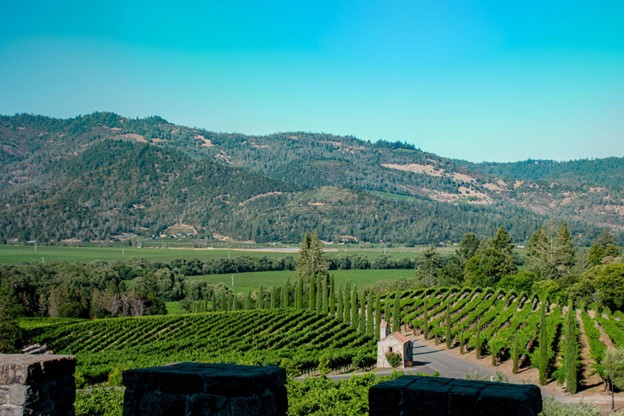
Dreaming of rolling vineyards, golden sunsets, and charming small towns, but your bank account says “maybe next year”? You are not alone. Many students think wine country is only for wealthy travelers staying in expensive resorts and sipping rare bottles on private terraces. However, that idea is a little misleading. Wine country can actually be explored on a student budget if you plan smart, stay flexible, and focus on experiences instead of luxury.
The truth is simple: wine country is not only about five-star hotels and costly tasting menus. It is also about nature, local culture, scenic roads, friendly family-run wineries, and quiet moments that do not need a huge budget. In fact, visiting wine country as a student can feel more authentic. Why? Because you are more likely to travel slowly, meet local people, and appreciate the simple pleasures instead of chasing expensive status.
In this article, you will discover practical and student-friendly ways to explore wine country without spending like a celebrity. From choosing the right destination to saving money on food, transport, and tastings, these tips will help you enjoy the charm of vineyards without financial stress. Think of it like packing a picnic instead of booking a palace. The view can be just as beautiful.
Why a Wine Country Getaway Can Be Exactly What Students Need
Student life can be intense. Deadlines pile up, exams come one after another, and sometimes everything starts to feel repetitive and exhausting. Without the right kind of break, it is easy to feel tired and even bored, as if every day is just a copy of the previous one. That kind of routine can slowly reduce motivation and focus. A short trip to wine country offers a refreshing change of pace. The calm landscapes, slower rhythm, and fresh air can help you reset your mind. It is like pressing a restart button after your brain has been running too many tabs at once.
Interestingly, such a trip is not only about relaxation. It can also connect to your academic life in creative ways. For example, students studying math, economics, or business can use travel as a real-world case study. Budgeting for the trip involves calculations, cost comparisons, and decision-making. You might analyze transport costs, compare accommodation prices, or calculate average spending per day. Even wine production itself can connect to statistics, measurements, and logistics. Think of it as turning your यात्रा into a living classroom, where numbers are no longer abstract but part of your everyday decisions.
At the same time, it is important to recognize when you are truly overwhelmed. If your workload feels unmanageable, taking a break is not a waste of time—it is often necessary. In some cases, delegating certain academic tasks to professionals and typing into a search engine “do my math homework for money” can help you regain balance. This does not mean avoiding responsibility; it means managing your energy wisely. A well-timed pause, combined with the right support, can improve both your well-being and your academic performance. After all, a clear and rested mind usually works much better than a tired one.
Choose the Right Wine Region for Your Budget
Not all wine regions are equally expensive. This is one of the most important things to understand before planning your trip. Famous luxury destinations often attract travelers with larger budgets, which means higher prices for rooms, transport, food, and tastings. If you automatically choose the most popular wine region, you may end up paying far more than necessary.
Instead, look for emerging or less famous wine areas. These regions often have the same beautiful landscapes and excellent local wines, but the prices are much more reasonable. Smaller wine towns may offer cheaper hostels, guesthouses, public transport, and lower tasting fees. Also, local wineries in less touristy areas are often more relaxed and welcoming.
For example, instead of only focusing on top luxury names, search for nearby wine routes, regional vineyard towns, or countryside areas known for local production. You do not always need the biggest label to have the best experience. Sometimes a smaller winery with a warm owner and a quiet garden gives you a richer memory than a famous place with a long line and a high bill.
Another useful idea is to travel in the off-season. Wine country is often most expensive during harvest season, summer weekends, and holiday periods. But if you visit in late autumn, early spring, or on weekdays, prices usually drop. The region may be quieter too, which can make your trip feel more personal and peaceful.
Look Beyond the “Instagram-Famous” Spots
It is tempting to build your trip around places you have seen on social media. Beautiful photos can make any destination feel magical. Still, famous spots usually come with famous prices. A trendy vineyard café or luxury tasting room may look stunning online, but it can quickly eat your budget.
Try balancing one or two popular places with several low-cost local discoveries. Search student travel blogs, local tourism websites, and community recommendations. Sometimes the places that do not go viral are the ones that surprise you most. Like finding a hidden song instead of replaying the same hit, these quieter spots can feel fresh and special.
Save Money on Transport and Accommodation
Transport and accommodation often take the biggest part of a student travel budget. The good news is that both can be managed well with some planning. You do not need a rental car and boutique hotel to enjoy wine country.
Start by checking whether the wine region is connected by bus or train. Many wine areas are near small towns or cities with public transport options. Staying in a nearby town instead of right in the middle of the vineyards can save a lot of money. Then, you can take a local bus, bike, or shared ride into the wine area during the day.
Cycling is one of the best student-friendly ways to explore wine country. It is cheap, healthy, and gives you a close-up view of the landscape. Many regions have bike routes through vineyards and villages. Renting a bike for a day is usually much cheaper than renting a car, and it adds adventure to your trip. Of course, if wine tasting is part of your day, always drink responsibly and know your limits. Safety should never be an afterthought.
For accommodation, think beyond hotels. Hostels, budget inns, student lodgings, farm stays, and shared rentals can cut your costs significantly. Farm stays can be especially interesting because they often place you close to nature and local life. You may wake up to vineyard views without paying luxury prices. It is like getting the postcard version of wine country while spending hostel-level money.
Traveling with friends also helps a lot. Splitting room costs, shared rides, groceries, and even tasting fees can make the whole trip more affordable. A group trip brings its own energy too. Exploring wine country with friends can feel like turning a quiet sketch into a colorful painting.
Enjoy Wine Tastings Without Overspending
Wine tasting sounds expensive, but it does not have to be. In many wine regions, there are affordable tasting options if you know where to look. The mistake many travelers make is assuming every winery offers the same experience at the same price. That is rarely true.
Family-owned wineries, local cooperatives, and smaller tasting rooms often charge less than luxury estates. Some may even offer free tastings with a purchase or discounted rates during slower hours. This means you can enjoy several quality experiences without burning through your budget in one afternoon.
The smart move is to do a little research in advance. Make a shortlist of wineries with low tasting fees, student discounts, or special packages. Some places offer shared tastings, where two people can sample together for less. Others include a tour, a snack, or a souvenir glass in the price, which adds more value.
A great money-saving strategy is to limit the number of wineries you visit in one day. More is not always better. Visiting two or three places thoughtfully can be more enjoyable than rushing through six expensive stops. Think of wine tasting like reading poetry. If you move too quickly, the meaning gets lost.
Focus on Experience, Not Expensive Bottles
Many students assume they need to buy wine to enjoy wine country properly. That is not true. You can learn a lot, enjoy the atmosphere, and have a memorable tasting without purchasing premium bottles. Sometimes the most interesting part is listening to the story behind the wine, seeing how grapes are grown, or understanding the traditions of the region.
If you do want to buy something, consider a small bottle, a shared bottle with friends, or a lower-priced local option. Wine country is often full of excellent affordable wines that never become global luxury products. That is part of the charm. You are tasting a place, not a price tag.
Also, ask winery staff for recommendations in your budget range. Most are happy to help, and they may guide you to bottles that offer the best value. A good budget bottle can feel like finding treasure in a second-hand bookstore: inexpensive, unexpected, and satisfying.
Eat Smart and Picnic Like a Pro
One of the easiest ways to save money in wine country is through food. Dining at winery restaurants every day can become very expensive, especially in areas designed for high-end tourism. But eating well on a budget is completely possible and can even improve your experience.
Visit local markets, bakeries, grocery stores, and small food shops. Buy bread, cheese, fruit, olives, and simple snacks to create your own picnic. This is often much cheaper than restaurant meals and fits perfectly with the vineyard atmosphere. Sitting under a tree with a fresh sandwich and a view of the vines can feel more romantic than any formal dining room.
Picnics also give you freedom. You are not tied to fixed reservation times or expensive menus. You can stop where the view is best, rest when you want, and spend your money selectively. Some wine regions even have public picnic spaces, scenic parks, or winery grounds where casual meals are welcome.
Another tip is to eat your main meal in smaller nearby towns instead of tourist-heavy vineyard centers. Restaurants in local neighborhoods usually offer more affordable prices and more authentic dishes. You may discover regional food that is both cheaper and better than polished tourist menus.
Water is another small but important detail. Carry a refillable bottle and stay hydrated, especially if you are walking or biking. Buying drinks again and again adds unnecessary costs. Small savings may seem minor, but they build up over a trip like drops filling a glass.
Find Free and Low-Cost Activities Beyond Tasting
Wine country is about more than wine. This is excellent news for students because many of the best activities cost little or nothing. The landscape itself is often the main attraction: hills, vineyards, sunsets, village streets, old churches, scenic lookouts, and local markets. You do not need to spend a lot to enjoy these.
Walking trails are a great example. Many wine regions have beautiful routes through fields and vineyards. These walks let you enjoy the setting at your own pace and take amazing photos without paying entry fees. If you enjoy cycling, that opens even more possibilities. A simple ride through the countryside can become the highlight of your trip.
You can also visit village centers, local festivals, farmers’ markets, art galleries, and historic sites. Some wine towns have free events, especially on weekends or during seasonal celebrations. Street music, craft stalls, and food markets can add color and life to your day without much cost.
Another low-cost idea is joining group tours instead of private ones. Group tours often reduce transport costs and give you a social experience, which is ideal for students and solo travelers. Some hostels or local travel groups organize budget day trips to wine areas, making planning easier.
Do not forget the value of simply slowing down. In student life, everything often feels fast, busy, and noisy. Wine country offers a different rhythm. Sitting on a hill, watching the light change over the vineyards, can be deeply enjoyable. It costs nothing, yet it may become the part of the trip you remember most.
Build a Realistic Budget and Travel Mindfully
A good trip is not about pretending you have no limits. It is about knowing your limits and designing a trip that fits them. Before you go, make a simple budget covering transport, accommodation, food, tastings, and small extras. Once you have a rough number, divide it by day. This makes spending feel more manageable.
It also helps to set priorities. Maybe wine tasting matters most to you, so you save on accommodation. Or maybe you care more about scenery and village life, so you keep tastings to a minimum. There is no single correct way to explore wine country. Your trip should reflect your interests, not someone else’s luxury travel video.
Mindful travel also means respecting local culture and acting responsibly. If you are tasting wine, know your legal and personal limits. Be respectful in vineyards and small communities. Support local businesses when you can, even in small ways. Buying a snack from a village bakery or paying a fair price for a local tasting helps keep the region alive and authentic.
Student travel often teaches lessons that luxury travel cannot. When you travel on a budget, you become creative, observant, and open to surprises. You learn to value genuine experiences over polished packages. That mindset can turn a simple trip into something richer.
In the end, exploring wine country without a luxury budget is not only possible, but often more rewarding. You do not need expensive hotels, private drivers, or premium tastings to enjoy vineyard landscapes and local culture. With smart planning, affordable accommodation, simple meals, public transport, and a focus on authentic experiences, students can enjoy wine country in a meaningful way.
So, can you explore wine country on a student budget? Absolutely. Think of it as choosing a handwritten letter over a gold-plated invitation. One may cost less, but it often carries more heart. When you travel this way, you do not just visit wine country. You actually feel it, one affordable and memorable moment at a time.
