
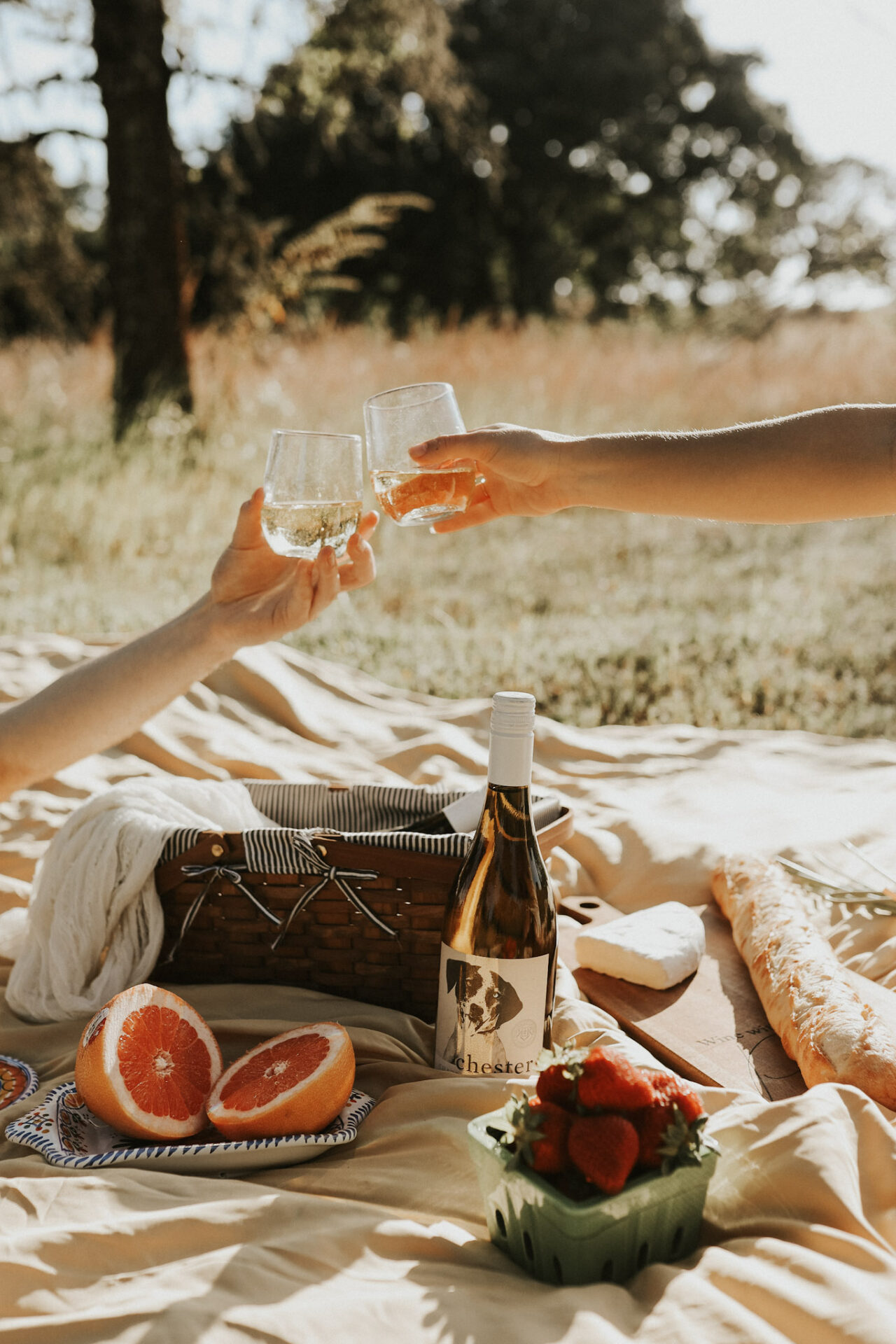
A memorable backyard tasting night needs a clear flow, comfortable seating and a menu that invites guests to slow down. Keep the group small enough for conversation, usually six to ten people, and plan a two-hour window that begins shortly before sunset. Offer water throughout the evening and arrange rides or overnight accommodations for anyone who needs them. A thoughtful setup lets each pour, pairing and conversation feel connected without making the event seem overly formal.
Setting the Scene for Sunset Sips
Create one central tasting table and a separate seating area where guests can relax afterward. The table needs enough room for glasses, tasting cards, water and small plates without feeling crowded. A neutral tablecloth helps guests see the color of each pour, while warm string lights keep labels and food visible after sunset.
For seasonal inspiration, this backyard tasting party guide covers practical details such as glassware and table arrangements. Set up shade if the event starts early, then add citronella candles away from food. A portable speaker at low volume creates an atmosphere without competing with conversation.
Building Cohesive Flavor Flights
Limit the tasting flight to three or four selections and pour about two ounces of each. Arrange them from lighter to richer so delicate flavors aren’t overwhelmed. One flight might move from a crisp sparkling wine to a floral white, followed by a fruit-forward red and a deeper, earthy final pour. For more ideas on choosing the order and getting the most from each pour, explore these wine flight tips.
Give each guest a simple card with space to note aroma, texture and finish. Those exploring richer pairings can also consult a guide to beer and cigars before selecting complementary profiles for the lounge portion of the night. Keep chilled water nearby and provide a non-alcoholic flight using sparkling tea, botanical soda or alcohol-free beer so every guest can participate.
Sensory Lounges for Beer and Cigars
Place the lounge downwind and well away from the tasting table, food and guests who prefer a smoke-free space. Check local rules, provide stable ash receptacles and ask guests about comfort levels before the evening begins. Outdoor cushions, side tables and soft lighting will make the area feel intentional while keeping it separate from the main gathering.
Focus on shared tasting language. Toasted malt may echo cocoa or coffee notes, while brighter styles can bring citrus and spice into focus. Serve smaller portions and let guests take their time. A pitcher of water, plain crackers and unscented napkins help reset the palate between samples.
Simple Bites That Balance Deep Palates
Choose foods that offer contrast without coating the palate. Salted almonds, aged cheddar and mushroom crostini work well with earthy or roasted flavors. Fresh grapes and sliced pears add brightness, while dark chocolate provides a satisfying final pairing. Avoid heavily spiced dips or sugary sauces that can hide subtle aromas.
This summer wine tasting guide offers more ideas for turning a patio into a relaxed tasting space. Serve one or two bites per pour and replenish plates in small batches. Label common allergens clearly, keep cold foods chilled and place serving utensils with every shared dish.
As the light fades, bring the final pairing to the seating area and let the evening settle into conversation. A small dessert board with dark chocolate, berries and toasted nuts gives guests something to linger over, while fresh coffee or sparkling water provides a clean finish. Collect tasting cards before everyone leaves if the group wants to compare favorites later.
