
What does a perfect wine tasting day look like to you? It might be helpful to start with what most people want to avoid: sprinting through five or six wineries, eating lunch at 4 p.m. because you’re running behind, and ending the day completely exhausted.
The “perfect” wine day is the exact opposite. A well-planned day at a handful of thoughtfully chosen wineries with some good food often beats an ambitious schedule with six or seven stops. Your palate stays fresh, conversations last longer, and you actually remember what you tasted when you get home.
In other words, this isn’t just about the wine; it’s about thoughtful planning, too. So if you want the day to feel relaxed instead of rushed, think less about how many wineries you can squeeze in and more about how the day unfolds. That, really, is the secret to a perfect wine tasting day.
Three Wineries Are Better Than Five
It sounds counterintuitive, but cutting two wineries from your itinerary almost always guarantees a better experience. Why? Well, because palate fatigue is real.
After a dozen pours, subtle differences become harder to detect. Good wines start blending together, and you stop paying attention because your brain and taste buds are overwhelmed. This is also known as palate blowout.
To avoid this, don’t chase numbers, but build some contrast into the day. Visit a larger estate where you’ll probably learn something, stop at a smaller winery where the owner might actually pour your tasting, then finish somewhere you’d happily spend an extra hour if nobody looked at the clock.
Order Matters More Than the Distance
People usually organize winery visits by geography, which is understandable; driving efficiency matters. However, sequence of events is what typically shapes the experience.
Put your most interesting tasting first, when you’re still asking questions and noticing details. Save the winery with the restaurant, live music, or great patio for later.
If your stops range from crisp whites to heavy reds, arrange them by intensity. Start with bubbles and light whites, then move toward full-bodied reds.
Book Ahead (Even If It Feels Unnecessary)
Many wineries now require reservations. And this is especially true for weekend guided tastings, small-group experiences, and vineyard tours.
So, book ahead, just in case. You’ll not only secure a spot, but also avoid driving thirty minutes only to discover the next available tasting starts two hours later.
While you’re checking availability, look at tasting fees. Plenty of wineries waive them if you buy a bottle, which can make the math work in your favor.
Plan Lunch Like It’s Part of the Tasting
Wine on an empty stomach is a bad idea. But you don’t need a heavy meal, either.
Bread, cheese, charcuterie, grilled vegetables, or something simple from a winery café usually does the job. The point isn’t to pair every bite perfectly with the wine. It’s to keep the day enjoyable instead of spending the afternoon pretending you’re not starving.
Decide How You’ll Get Around Before the First Glass
This should be the easiest decision of the day. If everyone plans to drink, nobody should drive.
Many groups book a local wine tour, while others split Uber or Lyft rides. The extra expense is usually small compared to everything else you’ll spend, and nobody has to worry about staying under legal limits or navigating unfamiliar roads.
That said, riding instead of driving doesn’t eliminate every risk. Vineyard roads can be narrow and dark at night, and unexpected accidents happen. On the off chance that you or a friend are ever injured in a rideshare crash, knowing the right steps ahead of time matters. Report the incident through the app, get medical attention even if injuries seem minor, and keep records from the trip.
Odds are you’ll never need that information. Still, it’s worth knowing before you need it.
Keep Simple Notes Instead of Fancy Tasting Scores
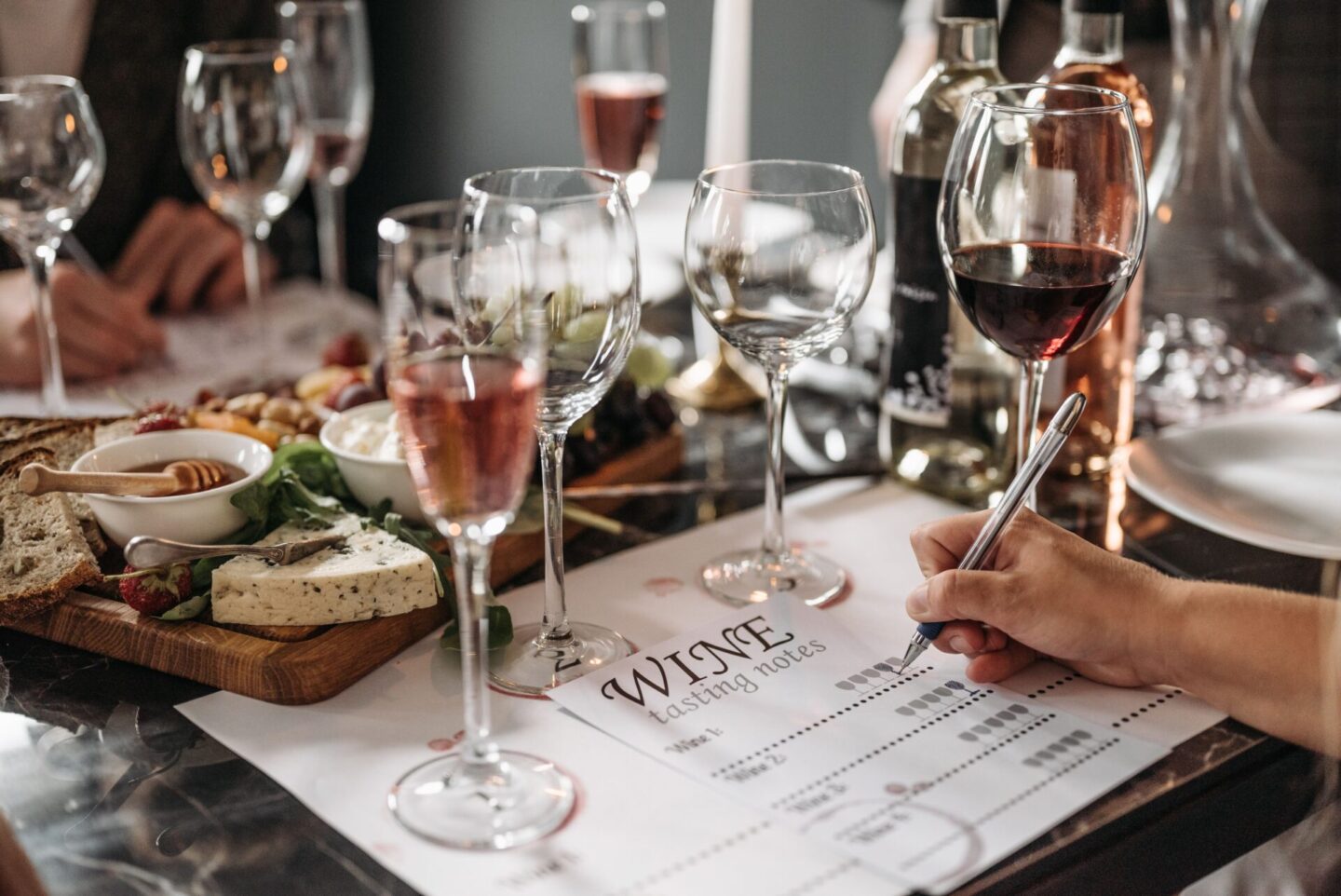
Here’s a habit worth stealing. Instead of scoring wines out of 100, just jot down the winery, the wine’s name, and one honest thought.
Here are a few examples:
- “I’d buy this again.”
- “Great with grilled salmon.”
- “Beautiful at the winery, probably wouldn’t buy a bottle.”
- “I need a bottle of this!”
These quick notes are guaranteed to become useful months later when you’re staring at a wine list or thinking about placing an online order.
Leave Space for Something Unplanned
You don’t need two extra hours. But a forty-ish minute buffer in your afternoon? Yes.
That extra breathing room gives you room to stay longer somewhere unexpected. Maybe the tasting turns into a conversation with the winemaker. Maybe another guest recommends a tiny vineyard that wasn’t on your list. Maybe you simply find a patio where nobody wants to leave.
Those moments rarely happen when every minute already belongs somewhere else. And they’re usually what people talk about on the drive home.
