
Keeping a wine bar safe requires more than responding quickly when an accident happens. Owners and managers can reduce everyday risks by identifying potential hazards, maintaining clear procedures, and creating a workplace culture where staff know how to act before a small problem becomes a serious injury.
Wine bars have their own mix of safety concerns. Spilled drinks can make floors slippery, broken glass can create immediate hazards, crowded spaces can block walkways, and kitchen or heating equipment can introduce additional risks.
A strong safety plan does not need to make the customer experience feel restrictive. By focusing on the areas where accidents are most likely to occur, wine bar owners can create a safer environment for employees and guests.
Keep Floors and Walkways Clear
Slippery floors are among the most common risks in any establishment serving drinks. A spilled glass of wine or water can quickly create a fall hazard, particularly during busy service periods when employees are moving quickly through crowded spaces.
Staff should know how to respond to spills immediately and where cleaning supplies are located. Regularly inspecting floors also helps identify loose mats, uneven surfaces, or other hazards that may contribute to a fall.
Focus on these common areas:
- Entryways and patios
- Bar service areas
- Restroom entrances
- Busy walkways
- Kitchen floors
- Storage rooms
Walkways should also remain free of boxes, furniture, and other obstacles. Clear paths can make the space easier for employees and guests to navigate while reducing the likelihood of trips and collisions.
Create a Safe Approach to Glass Breakage
Broken glass is an unavoidable possibility in a busy wine bar, but injuries can often be prevented with the right procedures. Employees should understand that broken glass should never be picked up with bare hands or left in an area where someone could step on it.
A designated cleanup process can help staff respond quickly and consistently. Keeping the necessary tools available makes it easier to remove glass safely, dispose of it properly, and inspect the surrounding area for small fragments.
Broken glass procedures should include:
- Clearing the area
- Using appropriate tools
- Inspecting for fragments
- Disposing of glass safely
- Washing hands afterward
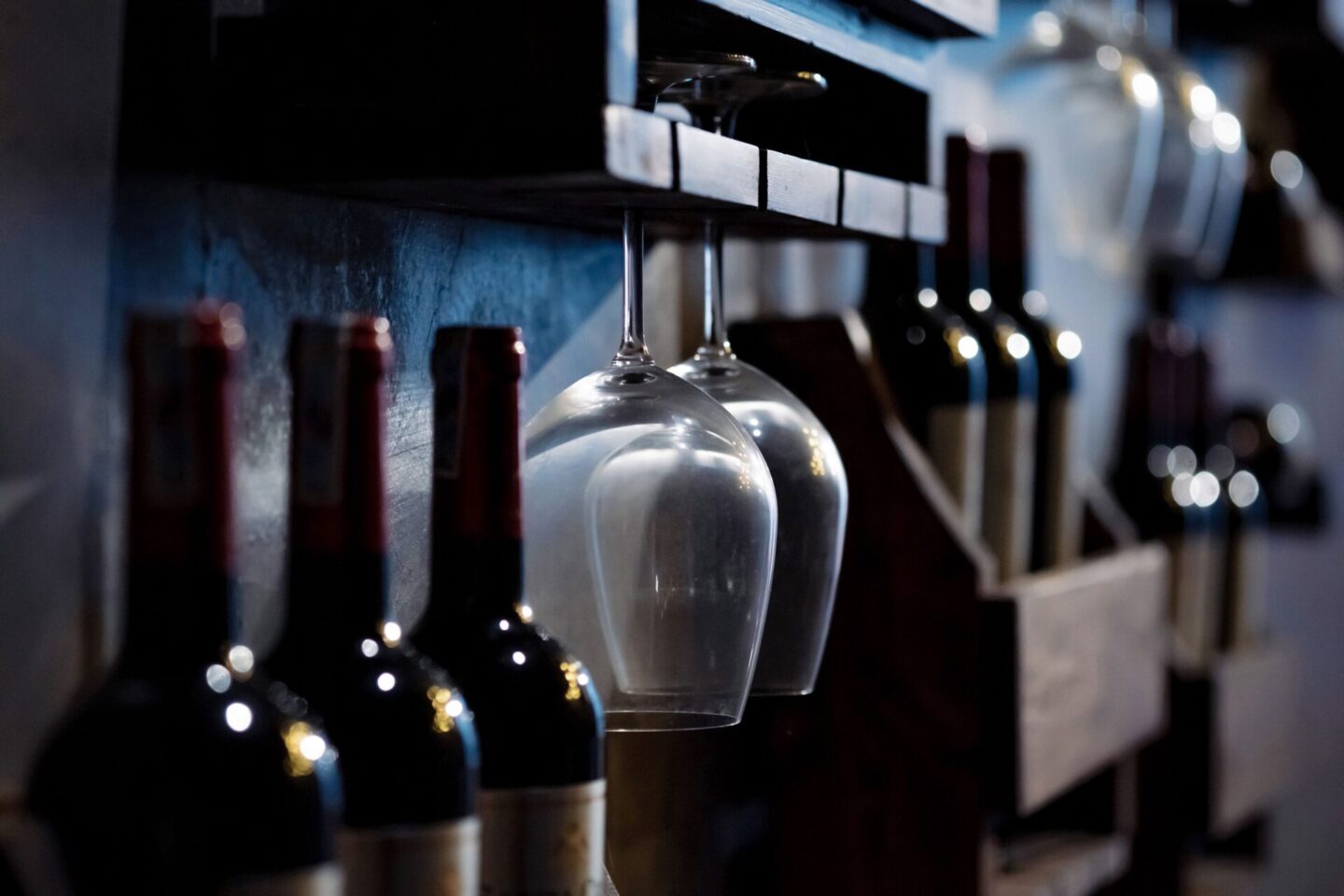
Wine glasses and bottles should also be stored in stable locations where they are less likely to fall. Proper shelving and careful handling can reduce breakage before cleanup procedures become necessary.
Manage Crowds and Busy Service Areas
Wine bars can become crowded during tastings, special events, and peak weekend hours. A space that feels comfortable with a few guests may quickly become difficult to navigate when additional people gather around the bar or stand in narrow walkways.
Managers should consider traffic flow when arranging furniture and planning events. Employees also need enough space to carry glassware, food, and other items without repeatedly squeezing through congested areas.
Capacity limits and clear pathways can help prevent unnecessary accidents. Good layout planning also makes it easier for guests to leave the building safely during an emergency.
Use Clear Procedures Around Heat and Cooking Equipment
Hot cooking surfaces, warming equipment, and other heat sources can create burn risks for employees. Equipment should be maintained according to manufacturer recommendations, and staff should receive training before using unfamiliar appliances.
Wine bars with propane-powered cooking or heating equipment should also understand the requirements for storing and handling fuel. Reviewing safe propane storage tips can help owners develop procedures that account for proper storage locations and potential hazards.
Propane cylinders should never be treated like ordinary supplies. Employees should know who is responsible for handling the equipment and what steps to take if they suspect a leak or other safety issue.
Train Staff for Everyday Safety
Safety procedures are only effective when employees understand them and can follow them during a busy shift. Training should cover common hazards, emergency responsibilities, and the location of important safety equipment.
Useful training topics include:
- Spill response
- Broken glass cleanup
- Emergency exits
- Fire extinguisher locations
- First aid procedures
- Equipment operation
Regular refreshers can help keep procedures familiar, especially for part-time or seasonal employees. New staff members should also receive training before working independently.
Make Inspections Part of Daily Operations
Regular inspections can catch small problems before they contribute to an accident. A manager or designated employee can review the property before opening, during service, and after closing to identify hazards that may need attention.
By addressing spills, broken glass, crowded walkways, heat hazards, and equipment safety, wine bar owners can build a practical foundation for accident prevention. Clear procedures and well-trained staff can then help turn that plan into part of the bar’s daily routine.
