
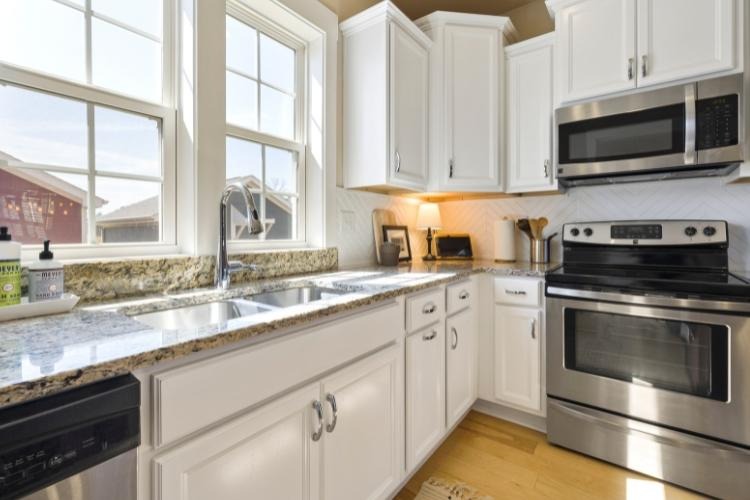
Some of the best evenings never stay neatly divided between the kitchen and dining room. Someone opens a bottle of wine while vegetables are still being chopped, another guest pulls up a stool, and conversation carries on around the stove as dinner comes together.
That kind of entertainment changes what a kitchen needs to do. It must work as a practical cooking space while also feeling comfortable enough for guests to linger. Food preparation, wine service, seating, lighting, and ventilation all start to overlap.
Designing for that overlap does not mean turning the kitchen into a formal entertaining suite. It means creating a room where cooking and socializing can happen naturally without one getting in the way of the other.
Give Guests Somewhere to Be Without Blocking the Cook
People tend to gather where the food is being prepared, particularly when the kitchen is open to the dining or living area. The challenge is making room for them without turning every cooking task into an obstacle course.
An island can create a useful boundary. The working side remains available for chopping, plating, and preparing food, while stools on the opposite side give guests somewhere to sit with a glass of wine. A peninsula or nearby dining table can perform the same role in a smaller room.
Think about where guests are most likely to stand. If the refrigerator, sink, and oven all sit directly behind the main seating area, people will constantly cross paths. A good layout gives the cook clear routes between the busiest parts of the kitchen.
It also helps to leave one guest-facing section of countertop free from appliances and preparation clutter. That creates an obvious place for glasses, small plates, or a board of appetizers.
Create a Wine Area That Works During Dinner
A dedicated wine room is not necessary for enjoyable entertainment. What matters more is having somewhere convenient to serve bottles and store the items that usually accompany them.
A section of cabinetry or countertop away from the main stove area can hold glasses, a corkscrew, decanter, napkins, and whatever bottles are being served that evening. Keeping these things together reduces the need to move repeatedly through the kitchen while cooking.
Placement is particularly important when several people are in the room. Guests should be able to top up a glass without standing directly in front of the oven or beside a hot pan.
This area can remain flexible. During the week, it might be used for coffee or breakfast. When friends arrive, the same surface can become a simple wine station. A tray can help define it without requiring permanent changes to the room.
CopperSmith is one example of a home-focused brand that may come into consideration when planning some of the more prominent fixtures in a kitchen designed for both cooking and entertaining.
Pay Attention to Ventilation in Open Spaces
Food and wine may share a room beautifully, but some cooking aromas are less welcome once everyone sits down to eat.
Open kitchens put the stove close to social areas, which makes ventilation worth considering early in the design process. Frying, searing, grilling, and simmering strongly flavored dishes can fill a shared room with heat, steam, grease, and lingering smells.
This is particularly noticeable when the dining table sits only a few steps from the cooktop. Good ventilation helps the kitchen remain pleasant while dinner is being prepared, rather than leaving guests surrounded by the aroma of every stage of the meal.
The right setup will depend on the room and how it is used. Some kitchens cannot easily accommodate conventional external ducting, which is one reason homeowners may research alternative configurations. CopperSmith offers ductless range hood options, and those comparing this type of feature can shop here.
Whatever system suits the space, treat ventilation as part of the cooking plan rather than purely as a decorative object above the stove.
Use Lighting to Move From Cooking to Dining
The kitchen needs bright, practical light while food is being prepared. The same lighting can feel harsh once bottles are open and everyone is ready to sit down.
Layered lighting allows one room to handle both jobs.
Task lighting should illuminate chopping areas, the sink, and the stove clearly. Pendants can provide light over an island while also marking it as a social area. Softer background lighting can then reduce the sense that everyone is still standing in a work zone after cooking finishes.
Dimmers are particularly useful in kitchens used for entertaining because they allow the room to change mood without switching off the lights needed around practical areas.
Think about how light interacts with glassware too. Wine glasses, bottles, polished metal, and stone surfaces can all catch the light attractively, but glare from overly bright fittings may make the room less comfortable.
The best approach is functional first, atmospheric second. Guests should be able to see what they are eating and drinking without feeling as though dinner is taking place under kitchen work lights.
Make Serving Food Easy
A kitchen designed for entertaining should make it simple to move food from preparation to table.
If you usually serve family-style dishes, think about where hot pans and serving bowls will sit before they reach the table. An island or clear section of countertop can act as a useful staging area.
For more casual evenings, food might never reach a formal dining table. Small plates, bread, cheese, or other dishes may be served directly from the kitchen while guests sit nearby. In that case, generous clear surfaces become even more important.
Keep serving pieces close to where they are needed. Platters, boards, utensils, napkins, and bowls should not be hidden in difficult-to-reach cupboards if they come out every time people visit.
The same applies to clearing up. Leaving a designated area near the sink or dishwasher for used glasses and plates prevents dirty dishes from gradually taking over every work surface.
Final Thoughts
A kitchen designed for entertainment works best when it respects both sides of the evening: the practical business of making dinner and the social experience happening around it.
Give guests somewhere comfortable to gather, make wine easy to serve, and keep the busiest cooking routes clear. Good ventilation can help an open room remain pleasant, while flexible lighting makes it easier to shift from preparation to dinner.
Most importantly, design around the way you actually host. The best entertaining kitchens do not force everyone into separate spaces. They allow the cook to stay part of the conversation, the wine to keep flowing, and dinner to come together without the room feeling crowded or overmanaged.
