
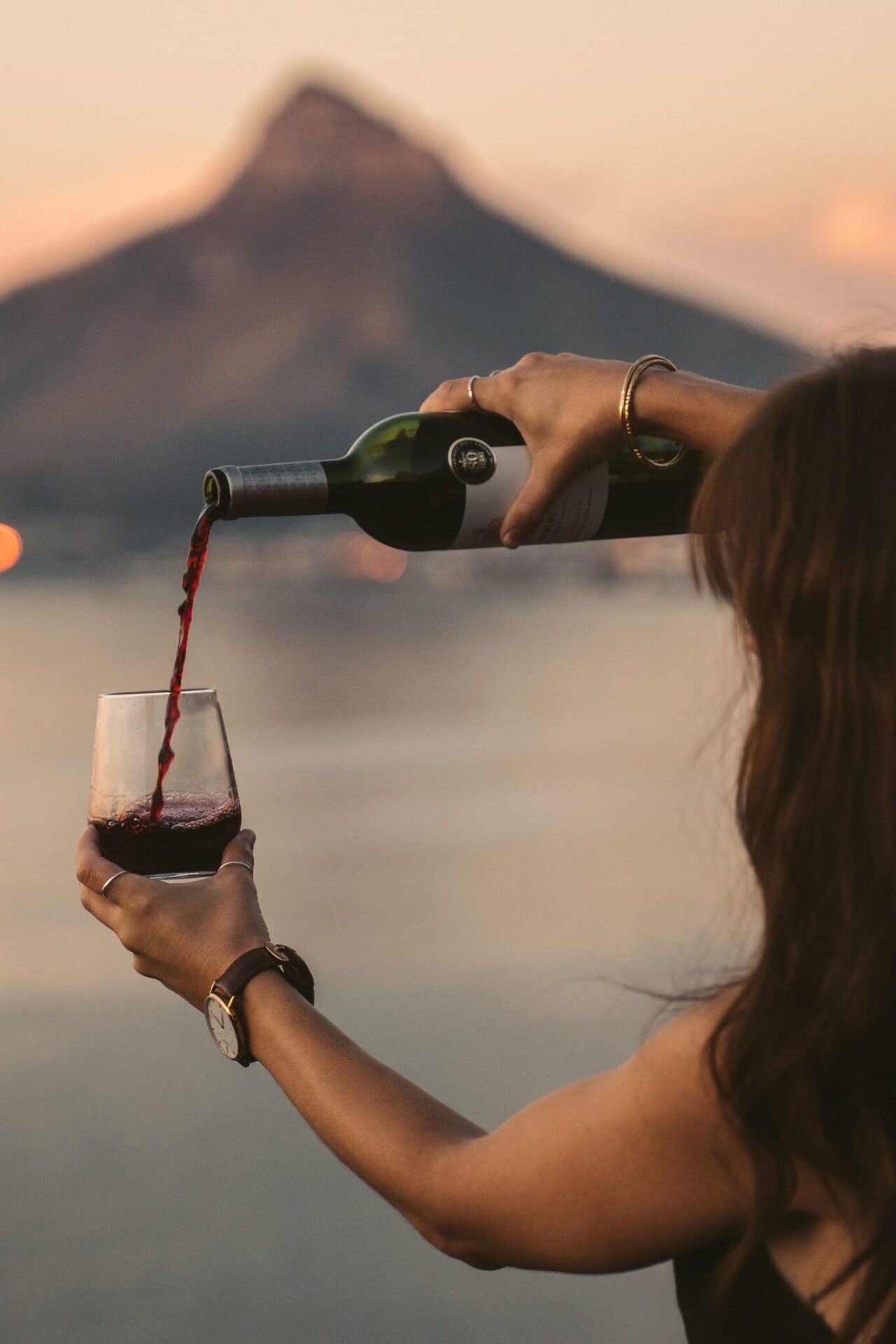
My first dedicated wine trip taught me that vineyard visits require far more logistical planning than a standard vacation. The romantic image of wandering through rolling hills and stopping at any cellar is appealing, but modern wine tourism in 2026 is structured and intentional. Whether exploring the classic estates of Europe or emerging boutique scenes in Asia, preparation is essential for a successful journey.
With these changes in the landscape, the way you approach a wine trip must evolve as well.
The Logistics of a Vineyard Itinerary
Most premium wine regions are inherently rural, located far from the convenience of major urban centers. This geographical isolation means that transportation is your first and most critical hurdle. Relying on ride-sharing apps is often a mistake in remote vineyard areas where signals are weak and drivers are scarce. For a safe and enjoyable trip, hiring a local driver or booking a specialized wine tour is non-negotiable, allowing you to focus entirely on the palate rather than the GPS.
Timing is the second pillar of a successful itinerary. A common novice mistake is over-scheduling; trying to squeeze in four or five tastings in a single day leads to sensory fatigue and a rushed experience. Two high-quality tastings per day, one in the late morning and one in the mid-afternoon, is the ideal pace.
This schedule allows for a long, relaxed lunch, where the best regional food and wine pairings truly shine. If you are venturing to unexpected destinations like the lush landscapes of Indonesia, remember that your entry logistics, such as the Indonesia Arrival Card, should be finalized days before you even pack your bags.
The best venues tend to sweat the details, including commercial-grade hardware like hydraulic door hinges that keep heavy doors operating smoothly in high-traffic settings.
Navigating Entry and Administrative Requirements
Travel processes in 2026 are increasingly digital, with many countries streamlining entry for “enotourists.” For those combining Bali’s beaches with its boutique wine scene, administrative preparation is as important as vineyard reservations. Missing digital declarations can cause avoidable border delays and cut into your tasting time.
In addition to visa requirements, it is essential to check the IATA Travel Centre for the most up-to-date health and customs regulations for transporting alcohol. Many travelers forget that bringing home rare bottles requires knowledge of both the host country’s export laws and the import duties for their home destination. Being prepared with the right protective wine luggage and a clear understanding of your personal duty-free allowance will save you from a heartbreaking (and expensive) situation at customs.
Understanding the Seasonality of Wine
The “perfect time” to visit a wine region depends entirely on what you hope to see. Many travelers flock to vineyards during the harvest season (typically August–October in the Northern Hemisphere), drawn by the energy of the crush. However, this is also the period when winemakers are at their busiest. Tasting rooms may have limited availability, and the staff may not have the time for the deep-dive conversations that enthusiasts crave.
Conversely, the “shoulder seasons” of late spring and early winter offer a more intimate look at the winemaking process. During these months, you are more likely to meet the actual winemakers and gain access to library releases or barrel tastings that aren’t available during the peak summer rush. Regardless of when you go, always check the Wine & Spirit Education Trust or local regional guides for vintage reports so you know which years to look for on the wine list.
Balancing the Experience
A wine-centered trip should be about more than just what is in the glass. The most memorable journeys are those that integrate the local culture, history, and landscape. In regions like Bali, this might mean visiting a high-altitude vineyard in the morning and a sacred water temple in the afternoon. This balance prevents “tasting fatigue” and provides a broader context for how the local geography influences the wine.
Well-designed tasting rooms also make a difference, from layout to the little details like smooth self-closing glass door hinges that keep the experience seamless and quiet.
As you plan your 2026 wine adventure, remember these three golden rules:
- Book Early: Secure your top-tier tasting reservations at least 4-6 weeks in advance.
- Stay Hydrated: The “spit bucket” is your friend. Professional tasters use it to stay sharp throughout the day.
- Keep Records: Use a dedicated app or a physical journal to note your favorites, as labels can easily be forgotten after a long day of touring.
By taking a few extra minutes to understand both the travel documentation and the region’s specific culture, you ensure that your journey begins as smoothly as the first glass poured at sunset.
After all, the best wine journeys aren’t rushed; they are intentional, well-researched, and savored.
