
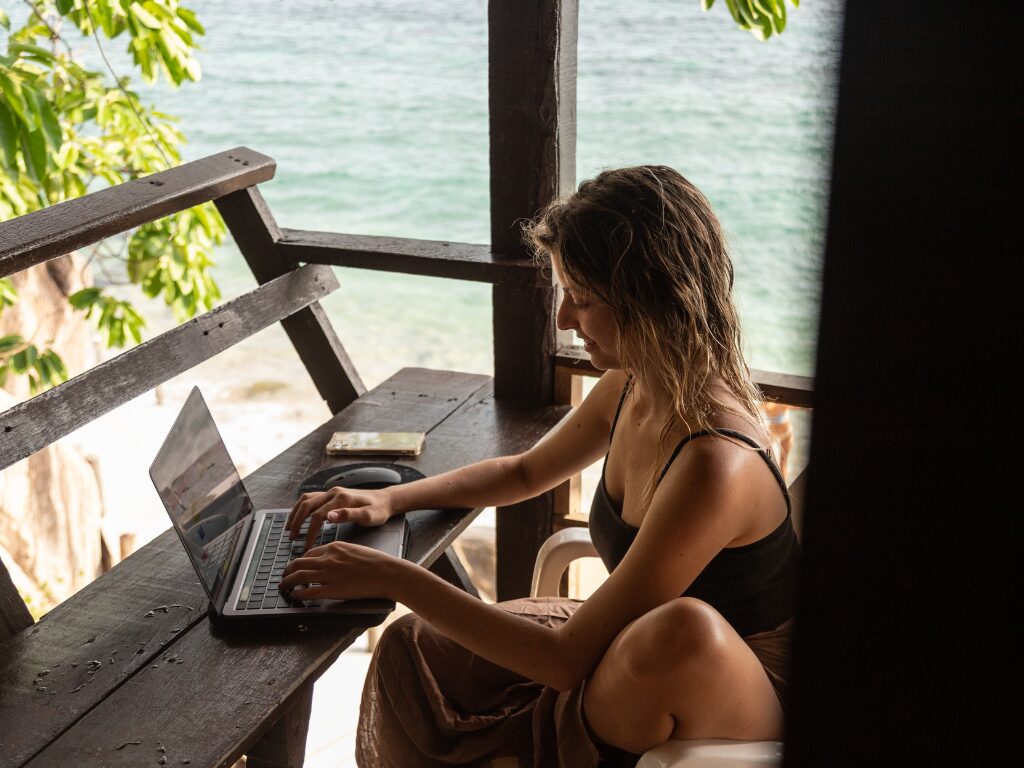
The digital nomad lifestyle is more than just swapping a desk for a beach chair. It’s about finding the sweet spot where work and wanderlust meet, without compromising on productivity, comfort, or connection. Whether you’re freelancing, working remotely, or running your own business, finding the right housing while on the move is key to making this lifestyle sustainable.
So, where should you stay when you’re working away from home? From short-term rentals to co-living spaces, let’s break down your options, with tips to help you choose the one that fits your lifestyle, work habits, and budget.
What Makes Great Digital Nomad Housing?
Before we jump into types of accommodation, let’s talk about what digital nomads actually need. It’s not just Wi-Fi and a bed.
Here’s what typically matters most:
- Fast, Reliable Internet: Non-negotiable. No one wants to lose a client call because of a lagging connection.
- Workspace: A proper desk and chair can make a huge difference, especially if you work long hours.
- Quiet Environment: Whether it’s calls, writing, or deep focus work, you’ll need a space that lets you concentrate.
- Location: Central enough for convenience, but not so noisy that it feels like you’re working in the middle of a nightclub.
- Community: Especially important if you’re traveling solo. Finding others with a similar lifestyle can make remote work feel less remote.
Now, let’s explore where to find all this, no matter where in the world you are.
1. Co-Living Spaces: Community Meets Convenience
Co-living spaces are booming, and for good reason. Designed with remote workers in mind, these places offer more than just a bed and Wi-Fi. Many come with coworking areas, communal kitchens, cleaning services, and a built-in community of like-minded nomads.
You’ll often find events like skill shares, group dinners, and networking mixers, which can be a game-changer if you’re feeling disconnected on the road.
Best For: Solo travelers, extroverts, and anyone new to a city.
What to Check: Reviews (especially around Wi-Fi speed and noise), community vibe, and location relative to cafes or coworking hubs.
2. Short-Term Rentals: Flexibility and Comfort
Short-term rentals through platforms like Airbnb and Booking.com offer flexibility, privacy, and often, more space. If you prefer to cook your own meals, spread out your gear, or just want a quiet, private space to focus, this is a solid option.
One tip? Filter for places with a “dedicated workspace” and read the fine print on Wi-Fi speed. A beautifully styled apartment means nothing if your video calls drop every five minutes.
For digital nomads in bustling cities like New York, finding affordable and flexible rooms can be tricky. That’s where platforms like spareroom.com shine. They connect nomads and short-term renters to real people offering shared housing opportunities. It’s a great way to save on costs and meet locals, especially in expensive cities.
Best For: Independent travelers, couples, or those staying more than a week or two.
What to Check: Wi-Fi speed, proximity to coworking spaces or cafés, and reviews that mention noise or host communication.
3. House Sitting and Home Exchanges: Budget-Friendly Alternatives
House sitting is a win-win. You take care of someone’s home (and often pets) while they’re away, and in exchange, you get free accommodation. Some sites charge a small annual fee for access, but if you’re flexible, it can be an incredibly affordable way to travel.
Home exchanges work similarly. You swap homes with someone for a period of time. It works best if you own a property and are looking to stay somewhere that feels like, well, home.
Best For: Experienced travelers on a budget, animal lovers, or slow travelers who prefer longer stays.
What to Check: Responsibilities (watering plants is fine, but full-time dog care might be too much during a busy work week), internet quality, and neighborhood safety.
4. Coworking and Coliving Retreats: Work Hard, Travel Well
These curated retreats are tailored for remote workers who want a balance of productivity and adventure. Think Bali villas, Greek island houses, or Portuguese surf towns, all with structured workspaces, group excursions, and reliable amenities.
They’re usually more expensive, but you get a lot for the price: airport transfers, community events, curated workspaces, and a high standard of accommodation.
Best For: Mid-career professionals, solo travelers, or those who want structure without sacrificing spontaneity.
What to Check: Retreat size (some people thrive in big groups, others prefer smaller settings), internet reliability, and whether there’s a dedicated schedule or if it’s more free-form.
5. Hostels: Not Just for Backpackers Anymore
The modern hostel scene has evolved. Many now offer private rooms, coworking lounges, and even free coffee. They’re a low-cost option for digital nomads who crave community without the high price tag.
That said, not all hostels are created equal. If you’re working with tight deadlines, make sure it’s a quieter hostel or that you can access a nearby coworking space.
Best For: Budget-conscious travelers, younger nomads, or extroverts who love meeting new people.
What to Check: Noise levels, desk availability, and room options (shared dorms aren’t great for Zoom calls).
6. Mid-Range Hotels With Business Perks
While not as budget-friendly, some hotels offer solid perks: lightning-fast Wi-Fi, business centers, gym access, and even loyalty programs. This can be a good option for short stays, especially if you’re in a new city and want something reliable.
Look for hotels that brand themselves as “digital nomad-friendly” or “remote work ready”. This usually means ergonomic chairs, desks, and even tech support if you need it.
Best For: Short stays, business travelers, or those needing a guaranteed smooth experience.
What to Check: Workspace quality, daily housekeeping (can be disruptive), and distance to cafes or neighborhoods worth exploring.
Tips for Making Your Temporary Home Work-Ready
No matter where you land, turning your accommodation into a functional workspace can help you stay focused and productive. Here are some quick tips:
- Travel with a portable laptop stand and an external mouse. These small tools can make any setup more ergonomic.
- Use noise-canceling headphones. Great for working in shared spaces or busy cities.
- Back up your files. Always. Losing work because of a local power cut or broken device can derail a trip.
- Get a local SIM card or Wi-Fi hotspot. Especially in countries where internet access isn’t reliable across the board.
- Stick to a routine. It doesn’t have to be rigid, but having a start and end time to your workday can create mental space for exploring and relaxing.
Conclusion: Your Office Is Wherever You Make It
Being a digital nomad is about freedom, but that doesn’t mean you can’t be smart about where you stay. The best digital nomad housing offers more than just four walls and Wi-Fi. It gives you space to think, focus, connect, and live well wherever in the world you are.
Remember: where you live shapes how you work. So choose wisely, stay curious, and build a lifestyle that’s both productive and fulfilling, no matter where you are on the map.
