
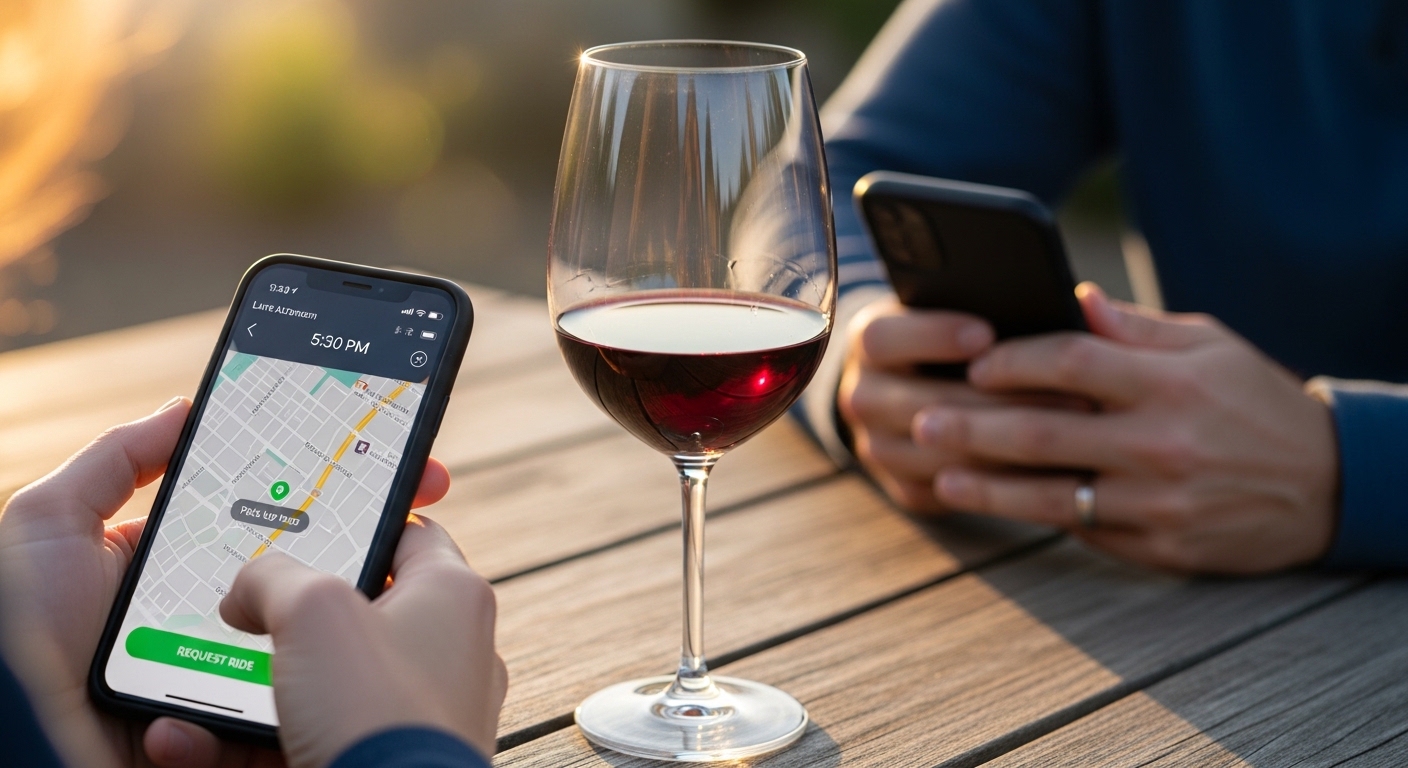
Wine festivals often posed transportation challenges for attendees and enthusiasts. The desire to explore vintage wine notes often conflicted with limited transportation options. For decades, attendees relied on designated drivers who couldn’t fully participate or expensive car services that lacked flexibility. This restricted experience limited wine lovers from discovering new vineyards and boutique wineries
The emergence of ride-sharing platforms removed these barriers. The focus shifted from rigid transit schedules to the nuances of wine tasting and vineyard exploration. Can attendees truly appreciate a grand wine tasting while worrying about transportation logistics? Today, the answer is yes.
Why is Transportation the Foundation of a Successful Festival Visit?
Reliable festival transportation isn’t just a convenience; it is the foundation of every wine tasting flight. When the burden of driving is removed, the sensory experience expands. People engage more deeply with winemakers and attend educational seminars they might otherwise skip. This shift has allowed festivals to move from suburban parking lots to remote hillsides.
According to Brent Stewart, a Columbia car accident lawyer at www.stewartlawoffices.net, “True freedom at a festival isn’t just about tasting without limits, it’s about knowing the law is on your side when safety is prioritized. Removing the keys doesn’t restrict the experience; it protects it, ensuring every glass poured is enjoyed responsibly.” This perspective highlights how modern mobility ensures safety while maximizing enjoyment. Does worry-free arrival change the wine tasting experience? It certainly enhances the appreciation of every glass poured.
How has On-Demand Mobility Influenced Event Logistics?
Event planners no longer need to dedicate vast acres to asphalt parking lots. Instead, they focus on optimized pick-up zones and streamlined traffic flows. This evolution impacts several operational areas that define the modern festival atmosphere. Here is how these logistics function:
Why are Rural Vineyards More Accessible Now?
Remote estates used to struggle with visitor turnout due to distance. With ride-sharing, these hidden gems are now reachable for city dwellers. This connectivity has leveled the playing field for smaller producers, ensuring that high-quality labels get the attention they deserve regardless of their location.
How do Digital Queues Improve the Exit Experience?
Gone are the days of standing in long lines for a local cab. Real-time tracking allows attendees to stay inside the venue until their ride arrives. This efficiency prevents fatigue during the transition from wine festivals back home.
What is the Common Misconception About Festival Transportation?
Many believe ride-sharing at wine festivals encourages excessive consumption, but this is a misconception. In reality, the data suggests the opposite. By providing a low-friction, affordable alternative to driving, these apps have significantly reduced the temptation to get behind the wheel. The focus has transitioned toward experiencing wine festivals safely and responsibly.
Think of it like a safety net. Professional event organizers now integrate these services into their plans because they know a reliable exit strategy prevents incidents. Isn’t it better to have a driver on call than to rely on hope? This approach protects attendees and industry reputations.
Where can Attendees Find Practical Benefits Beyond Safety?
The benefits of modern ride-sharing at wine festivals go beyond avoiding risks. It changes the social dynamic and the financial planning of a weekend excursion. These specific factors assist the savvy festival-goer. Let’s look at the elements involved:
Why is Group Coordination Simpler Today?
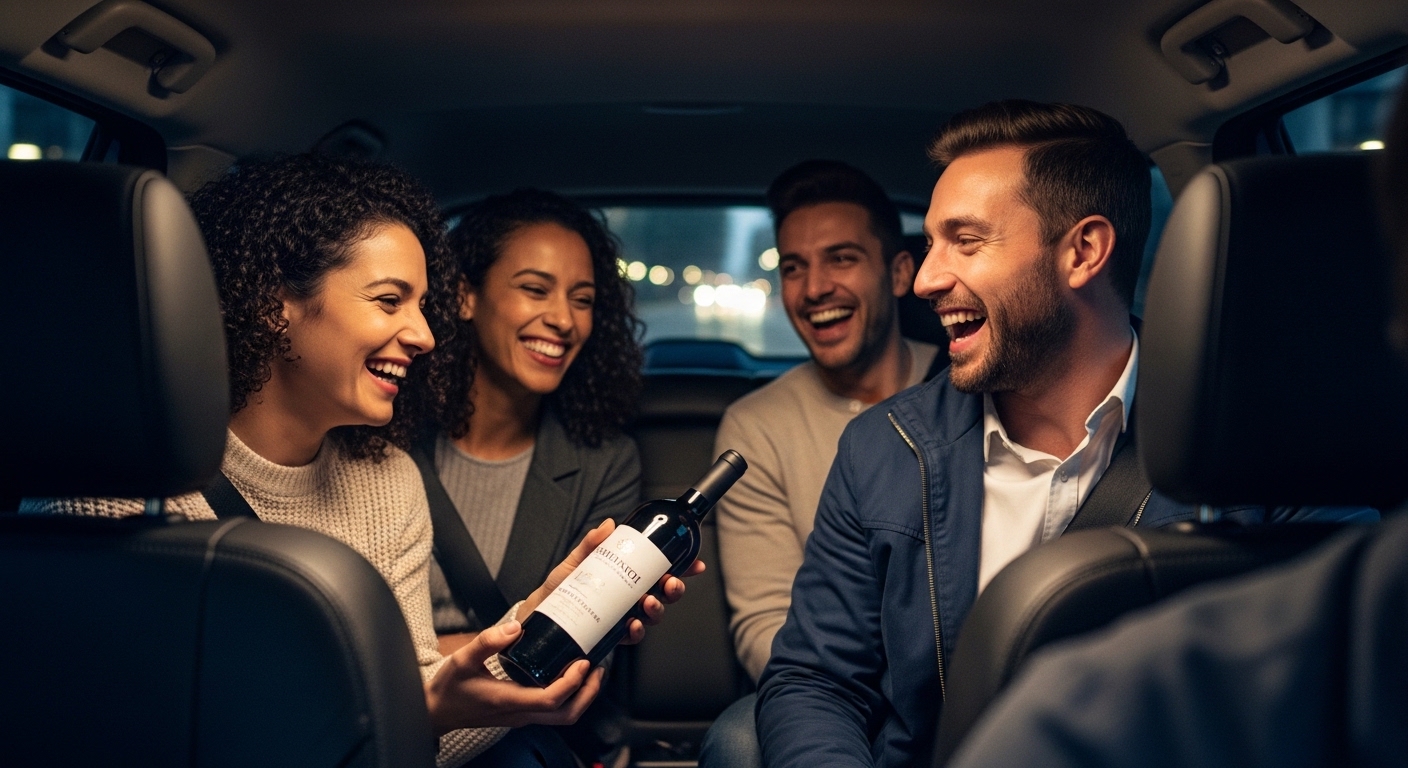
Coordinating a group used to require a complex web of phone calls and meeting points. Now, split-fare features and shared routes make it easy for friends to arrive and depart together. This shared travel time often becomes an extension of the festival experience for everyone.
How does it facilitate Multi-Stop Itineraries?
A festival is often just one stop in a weekend of exploration. Ride-sharing allows for seamless transitions between the main event, local restaurants, and hotels. This flexibility encourages visitors to spend more time within the local community, supporting the broader regional economy in many ways.
What are the Best Practices for Using these Services?
To maximize ride-sharing benefits at wine festivals, attendees must plan. Setting up the app before arriving at a remote vineyard ensures a smooth departure, especially where cellular signals might be weak. Scheduling rides in advance can also mitigate the surge pricing that occurs when a large event ends simultaneously.
Additionally, using the designated zones provided by the festival organizers is vital. These areas are designed for high-volume traffic and ensure that drivers find passengers quickly. Following these simple steps transforms a potentially hectic exit into a calm transition. Why settle for a stressful day?
What are the Most Frequently Asked Questions?
Does ride-sharing work at remote vineyard locations?
Most major apps have expanded their footprints. However, check the service area beforehand. Some festivals partner with companies to ensure drivers are available even in rural zones.
Are there ways to avoid high prices during festival peak hours?
Scheduling a ride in advance is the best way to lock in a rate. Alternatively, leaving thirty minutes early can help you avoid the primary rush of other departing guests.
What happens if there is no cell service at the festival?
Many festivals provide free Wi-Fi in pick-up zones. It is also helpful to take a screenshot of the driver’s details while you still have a strong network connection.
Can I request a larger vehicle for a group of friends?
Most platforms offer SUVs that accommodate up to six passengers. This keeps the group together while reducing individual costs through split-fare features found within the mobile application.
Should I tip my driver for a long rural trip?
Tipping is appreciated, especially for long distances to remote vineyards. A generous tip ensures drivers remain motivated to serve these areas, maintaining the reliability of the service.
